
Shabbat Devotional
June 27, 2026
Torah: Numbers 19:1-25:9
Prophets: Micah 5:6-6:8
Gospels: Matthew 21:1-11
The Talking Donkey and the Covenant-Keeping God
As the Israelites moved closer to the Jordan and the Promised Land, another wilderness crisis unfolded. Miriam had just died, and at Kadesh the people found themselves without water. Once again, they complained to Moses, wishing they had died with the others or stayed in Egypt. Moses and Aaron went before the Lord, and God told them to take the staff, gather the people, and speak to the rock so it would pour out water. But Moses, frustrated and angry, struck the rock instead. God still provided water, but because Moses and Aaron did not trust Him enough to obey His instruction, they would not enter the Promised Land.
I have always thought that consequence felt hard. After all those years of leading and following God, Moses did not get to enter the land. But Moses and Aaron were called to represent the Lord as holy before the people. In a moment of frustration, they acted from anger instead of faith. God had told Moses to speak, but Moses struck. God’s provision did not fail, but Moses’ disobedience still mattered. That is a sobering reminder: God’s promises do not depend on our perfection, but our choices still carry consequences.
That truth leads right into Balaam’s story. Moses’ failure shows how easily even faithful people can stumble, but Israel’s story shows something even greater: God’s covenant faithfulness has never depended on human perfection. He did not choose Israel because they were flawless, and He did not preserve them because they always responded rightly. He kept them because of His covenant, His character, and His great name.
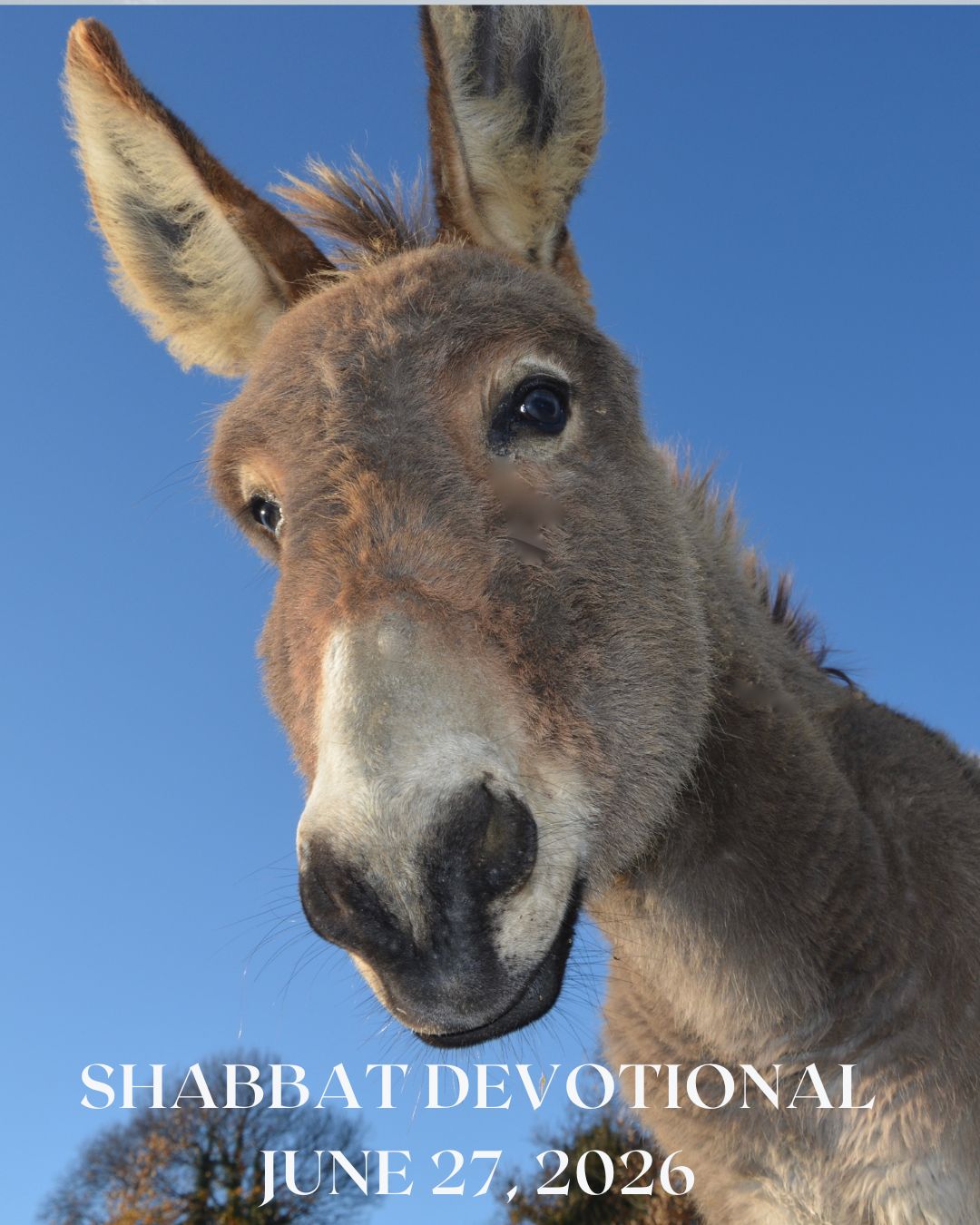
When Balak hired Balaam to curse Israel, God intervened immediately: “You must not put a curse on those people, because they are blessed” (Numbers 22:12). Balak kept trying to persuade Balaam, but God made it clear that Balaam could speak only what the Lord allowed. Even the talking donkey—funny as it is—shows God actively protecting His people.
When Balaam finally stood before Balak, he was asked three times to curse Israel, and three times he blessed them instead. Why? Because God does not change His mind, and no one can curse what God has blessed. Balaam declared:
“Arise, Balak, and listen; hear me, son of Zippor. God is not human, that He should lie, not a human being, that He should change His mind. Does He speak and then not act? Does He promise and not fulfill? I have received a command to bless; He has blessed, and I cannot change it. No misfortune is seen in Jacob, no misery observed in Israel. The Lord their God is with them; the shout of the King is among them. God brought them out of Egypt; they have the strength of a wild ox. There is no divination against Jacob, no evil omens against Israel. It will now be said of Jacob and of Israel, ‘See what God has done!’”
God does not change His mind. Moses’ disobedience had consequences, but it did not cancel God’s covenant. Israel’s weakness did not erase God’s blessing. Balaam’s story reminds us that what God has blessed is blessed, and no person, enemy, accusation, or circumstance has the power to undo it.
This speaks to me personally. I often wonder whether I fall short or whether God is truly speaking through me. But doubt is another tactic of the enemy, meant to stop us in our calling. If God can keep His covenant with Israel in the wilderness and turn attempted curses into blessings through Balaam, then I can trust Him to be faithful in what He has called me to do. And if God can open the mouth of a donkey, He can speak through anyone He chooses.
That matters in the noise of today. The lies aimed at Israel can feel overwhelming, and it is heartbreaking to see parts of the church claim that God is finished with the Jewish people. But Paul asked in Romans 11 whether God had rejected His people, and his answer was clear: “By no means!” God cannot lie. He does not change His mind, and He does not break His promises. Just as He has not changed His mind about Israel, He will not change His mind about you or me. I have a part to play, but it has never been up to me. It has always been up to God.
His promises stand. Our obedience matters. And through it all, God remains faithful.
See what God has done!